Authors: Niina Käyhkö, Sanna Mäki, Jukka Käyhkö
The Erasmus+ higher education cooperation project “Shape2Gether” (Shaping Innovations in Education for Sustainable Development: Contextualizing Geosciences, New Technologies, and Serious Games with Climate Change, 2024–2026) brought together seven university partners and one company from across Europe to transform education for sustainable development. The project aimed to integrate geosciences, cutting-edge technologies, and serious game design into a unified learning framework focused on climate change.
Coordinated by Palacký University Olomouc, the project was motivated by the urgent need to equip learners with practical skills, critical thinking abilities, and awareness to address climate change. Its ambition was to create more engaging, interactive, and impactful ways for students to understand and respond to environmental challenges by embedding innovative, technology-driven, and experiential approaches into education.
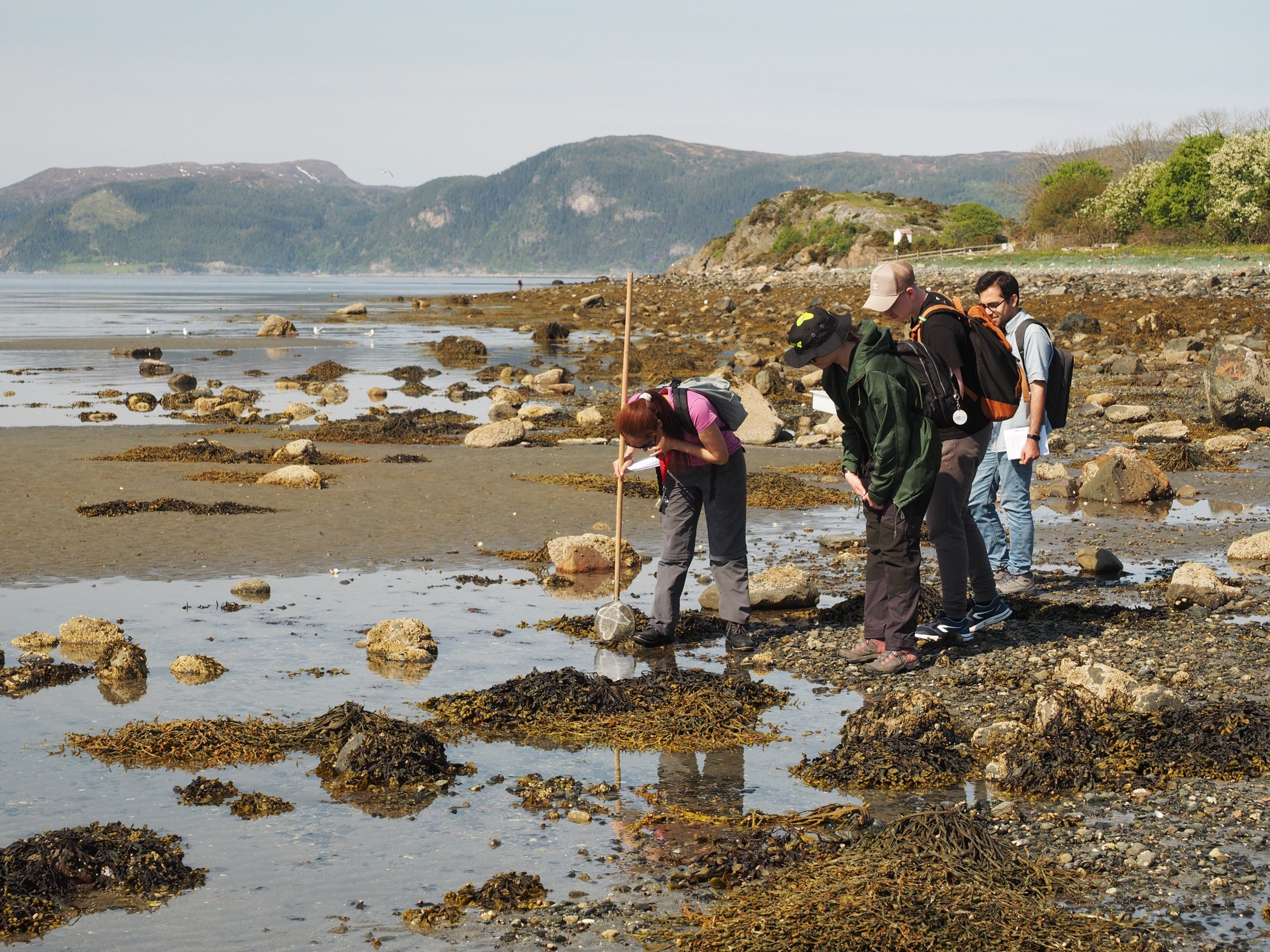
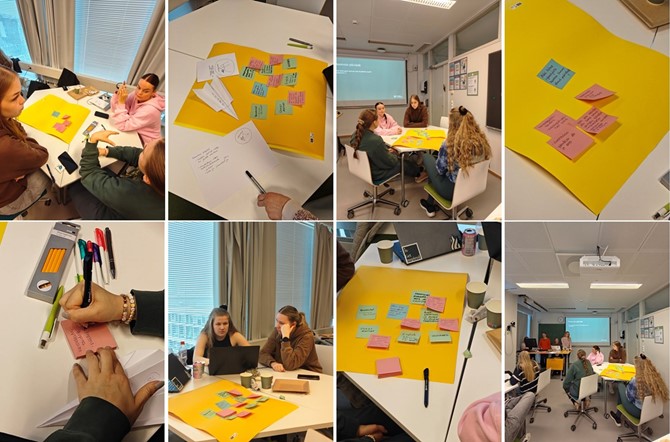
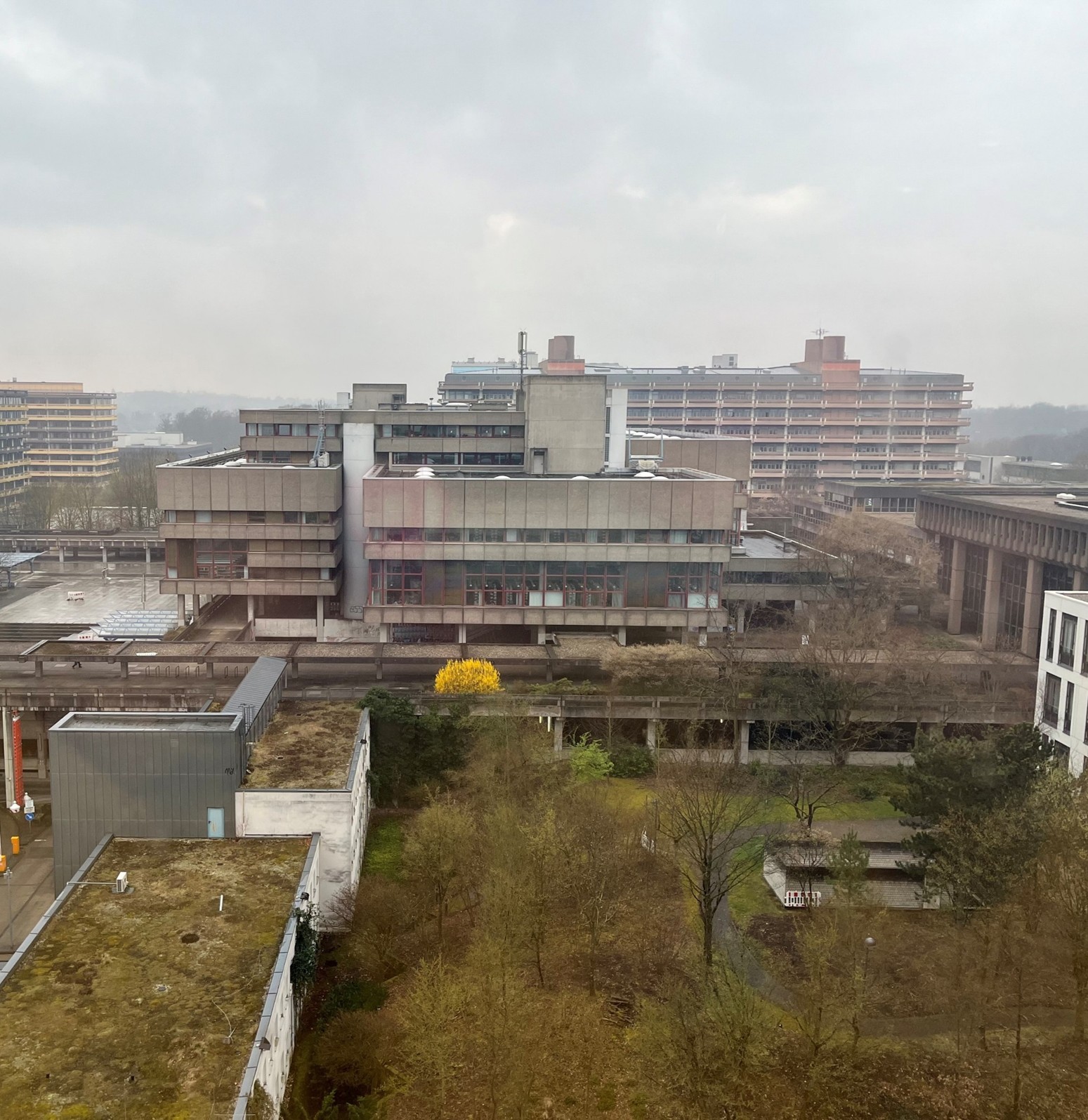
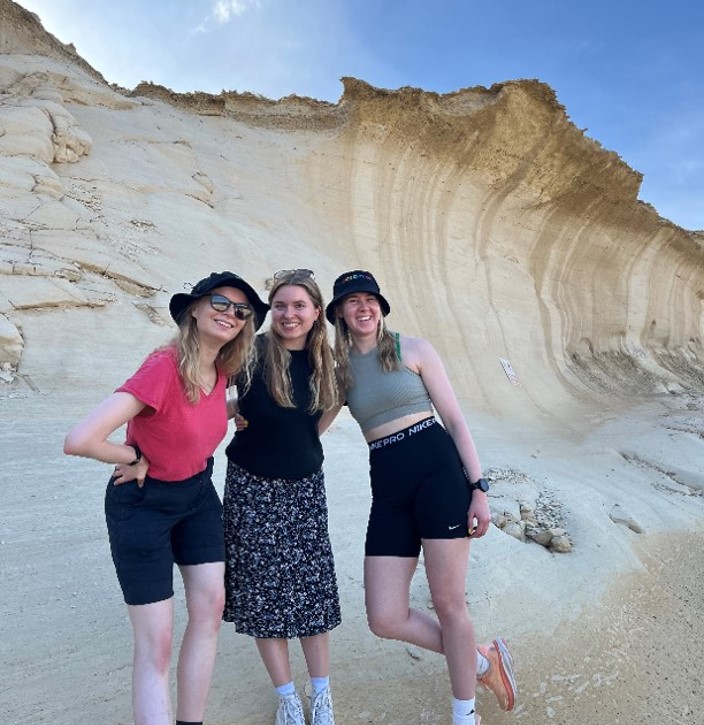
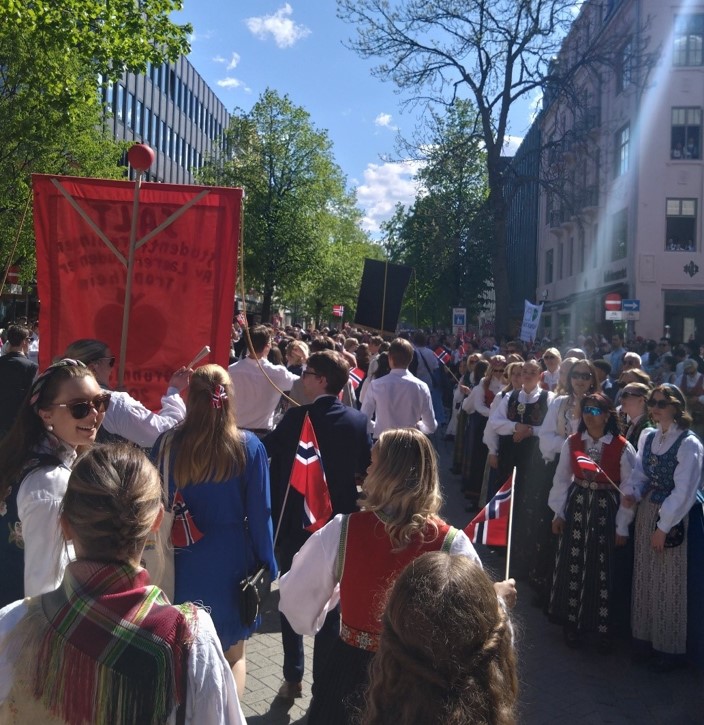
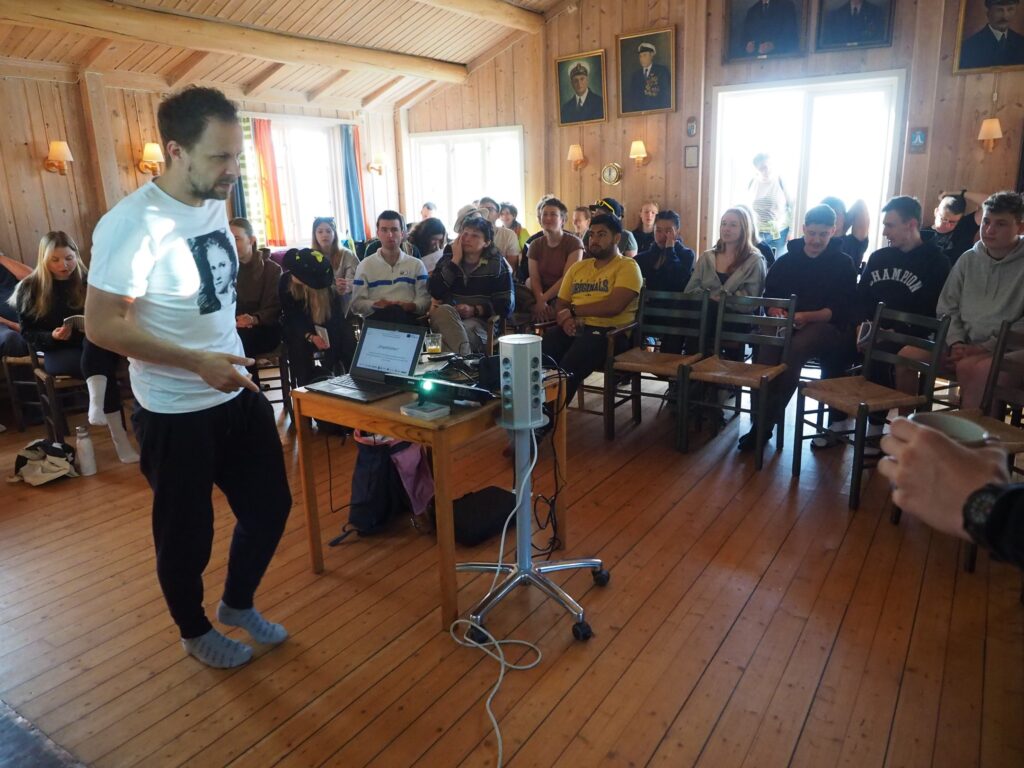
During the project, three intensive summer schools were organised: the first in 2024 in Tautra, Norway (organised by the Norwegian University of Science and Technolog, NTNU), the second in 2024 in Malta (organised by the University of Malta), and the third in 2025 in Bochum (organised by the Ruhr University Bochum). In between these events, several staff workshops were hosted by different partners to advance the project’s institutional outcomes. In 2025, the teachers met at the University of Turku (UTU), and now we are again in Olomouc, where the project originally started in 2023.
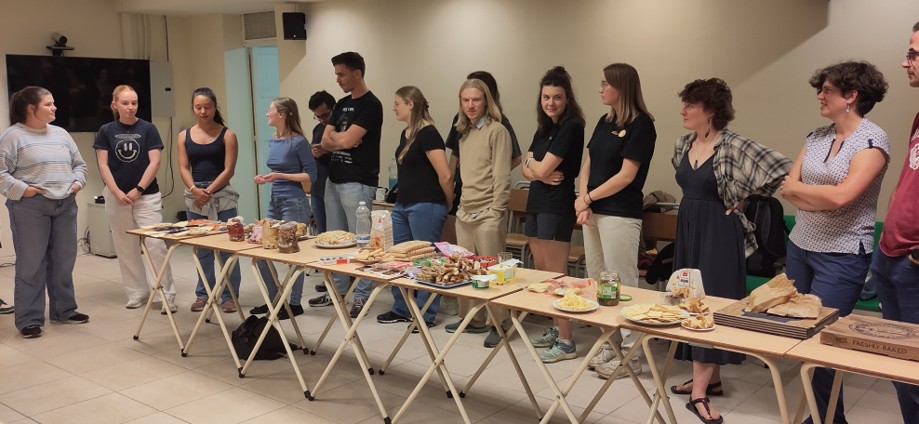
In mid-May 2026, we joined colleagues and partners in Olomouc, Czechia, for the final Shape2Gether conference, marking an important milestone for the project. Both teachers and students from participating universities came together for a full day of presentations, workshops, and discussions. The event not only showcased results but also created space for reflection on what we have learned along the way. For us, it provided a valuable moment to pause and reflect on the lessons learned during the project.
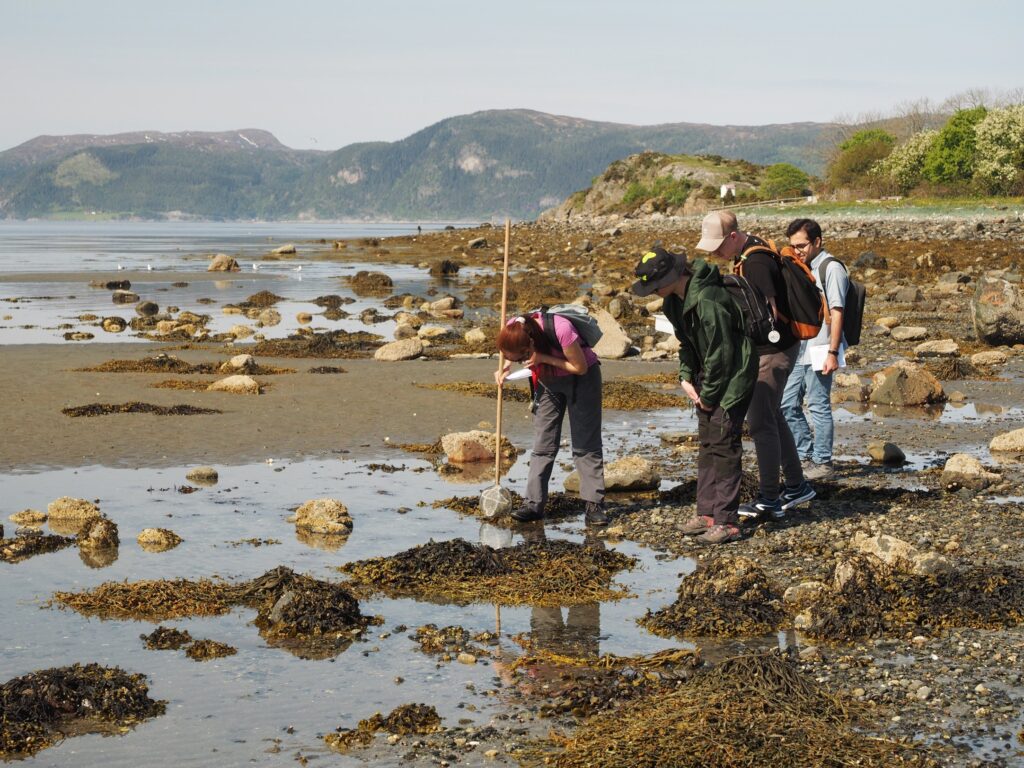
Throughout the project, students’ sense of agency in relation to climate change was strengthened by grounding learning in real, place-based experiences. Engaging with local people and authentic sustainability challenges helped move the topic from abstract theory to lived reality, making sustainability both tangible and meaningful. Site visits and discussions with local actors fostered emotional engagement and empathy, allowing students to see climate issues as part of everyday life rather than distant problems.
As teachers and mentors in the learning process, we played a crucial role in guiding this development. We supported students in connecting their observations to broader sustainability concepts while helping them navigate complexity and uncertainty. By encouraging experimentation and accepting incomplete solutions, we created a safe space for exploration, which in turn strengthened students’ confidence and ownership of their work.
Continuous dialogue and reflection further deepened this learning process, enabling students to develop not only knowledge and understanding but also a genuine sense of responsibility and agency in addressing climate challenges.
At the same time, the project revealed several important challenges that invite critical reflection. While the intensive in-person meetings created rich learning experiences and strong engagement, maintaining momentum and continuity between these sessions proved more difficult – a common challenge in multi-partner collaborations. Differences in institutional cultures, teaching practices, and disciplinary approaches added both richness and complexity to the project. Although this diversity is valuable, genuinely co-creating shared pedagogical approaches and a common curriculum requires sustained time, trust, and iterative dialogue.
The project also highlighted a tension between its focus on climate agency and the environmental implications of frequent travel. While some meetings could have been conducted online, the importance of embodied, local experiences in fostering meaningful learning and agency remains difficult to replicate virtually. Additionally, with a large and diverse group of participants, aligning expectations – particularly regarding students’ learning goals and outcomes – was not always straightforward. Much of the process evolved through experimentation and adaptation, suggesting that stronger upfront coordination among teachers – especially in designing and aligning the summer schools – could have supported a more balanced, shared understanding of the project’s objectives.
From the University of Turku’s perspective, the project has provided a valuable impulse for rethinking and strengthening our teaching in geography and applied geospatial research. In particular, it has reaffirmed the importance of field-based education and direct engagement with real-world contexts – dimensions that risk being overshadowed in an era of rapidly advancing digital tools and virtual learning environments.
The collaboration has also highlighted the value of integrating diverse pedagogical approaches, including challenge-based learning, which better connects students with complex societal issues. At the same time, it has prompted reflection on the institutional conditions that shape how such innovations can be sustained.
While the joint curriculum development work continues among Shape2Gether partners, our role at the University of Turku has recently become less central, as uncertainties around the future of international Master’s programmes, together with shifting institutional priorities, have reshaped the landscape in which these initiatives unfold. This moment serves as a reminder that meaningful and sustainable educational development requires not only strong ideas, collaboration, and commitment from teachers and teaching units, but also long-term structural support from university leadership to fully realise its potential.
All Shape2Gether blogs