The Shape2Gether -project is about shaping innovations in education for sustainable development: contextualizing geosciences, new technologies, and serious games with climate change. If you wish to explore insights from the three summer schools that were organized during this project, you can find the Norway blog post here, the Malta blog post here, and the Germany blog post here.
Local Dissemination Event: Turku, Finland, 10 November 2025
This local dissemination event was organized in Turku on 10 November 2025. Participants included the Shape2Gether (S2G) summer school student participants, project staff members, and registered event participants interested in discussing internationalization topics with Tyyne, Liisi, Ronja, and Elmiina, and hearing what the student participants did during the summer schools.
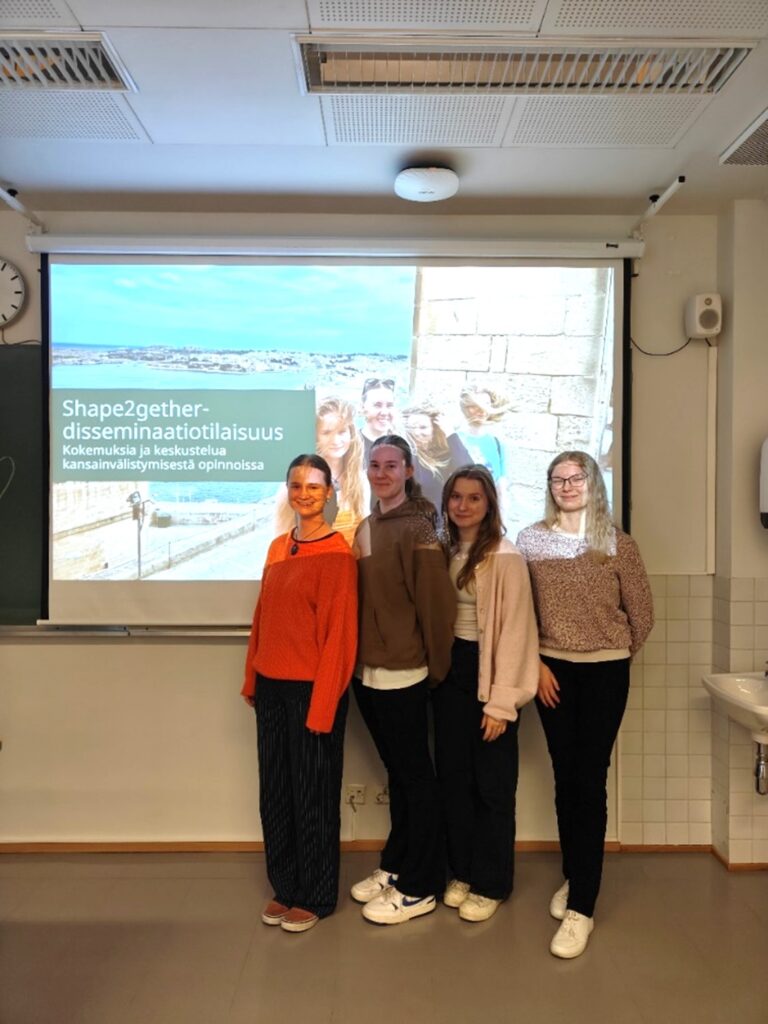
Motivation to Take Part in S2G?
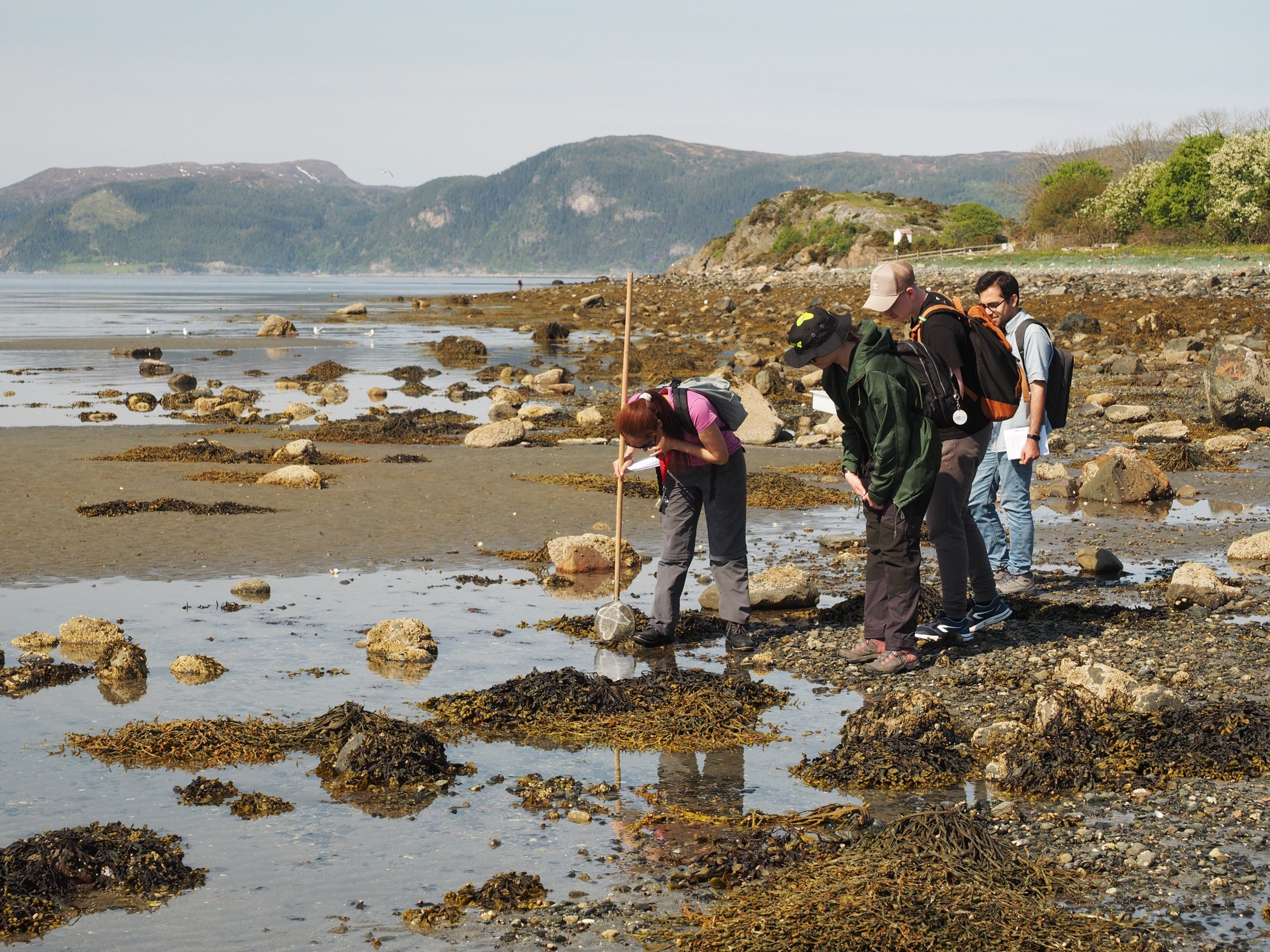
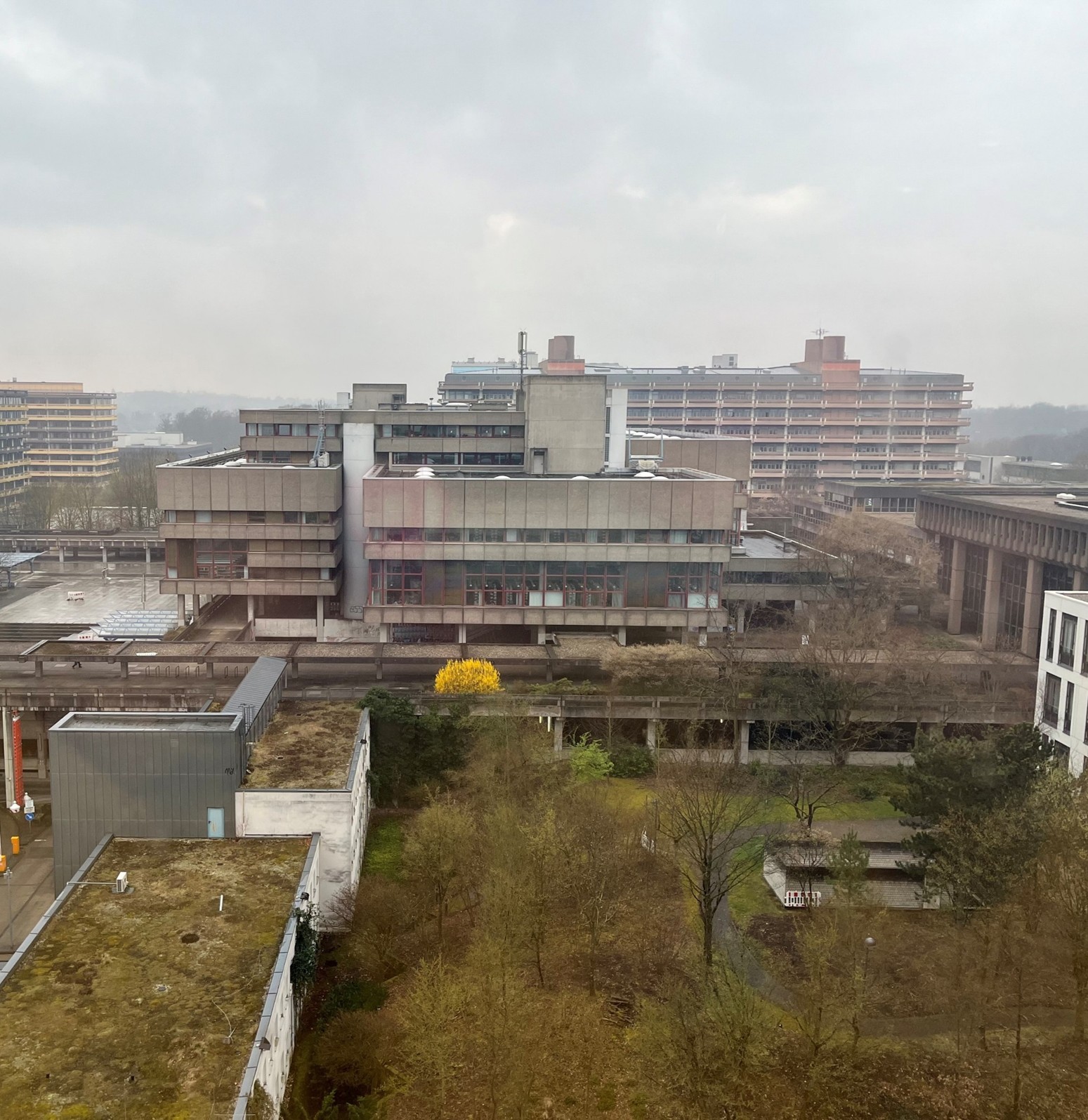
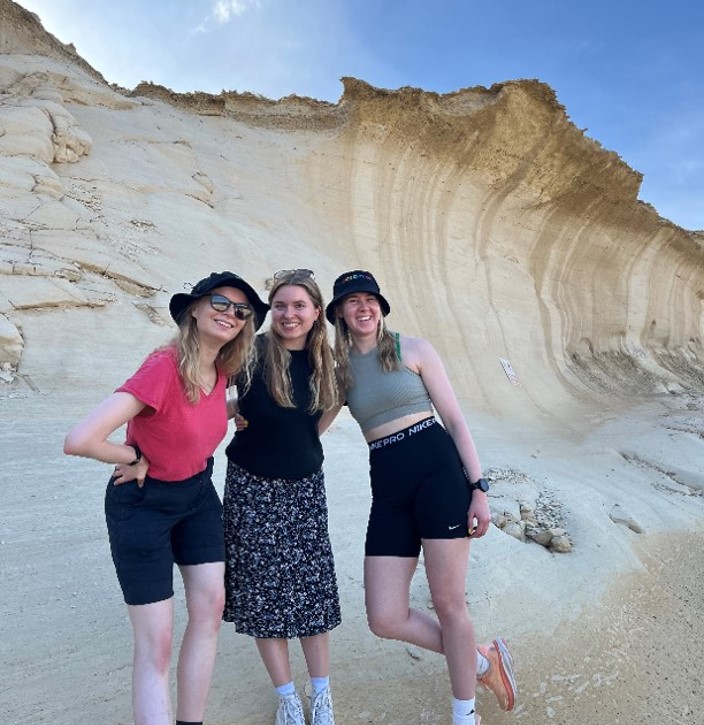
The UTU student participants, Ronja, Liisi, Elmiina, and Tyyne, all expressed different motivations for their application for the project. Most importantly, the Shape2Gether project themes – sustainability, gamification, and education – were the cornerstone of participation motivation. Ronja, for example, specializes in teaching, and she thought it would be interesting to see how one can combine gamification with teaching practices. The summer schools were also seen as a way to try out what international environments and co-operation would feel like. Some of the UTU student participants had thought of applying for a longer exchange during their studies, but those thought processes had never materialized. Luckily, this project turned out to be the perfect stepping stone where one could dip their toes into the international waters for the first time. A definite plus side of this project was that one did not have to commit themselves to a 6-month exchange, but could explore three different countries in three different weeks. The UTU student participants also thought that the summer schools were a great way to see different cities, environments, and locations to which they would have never travelled by themselves, like Bochum, Tautra island, or the salt pans in Marsalforn.
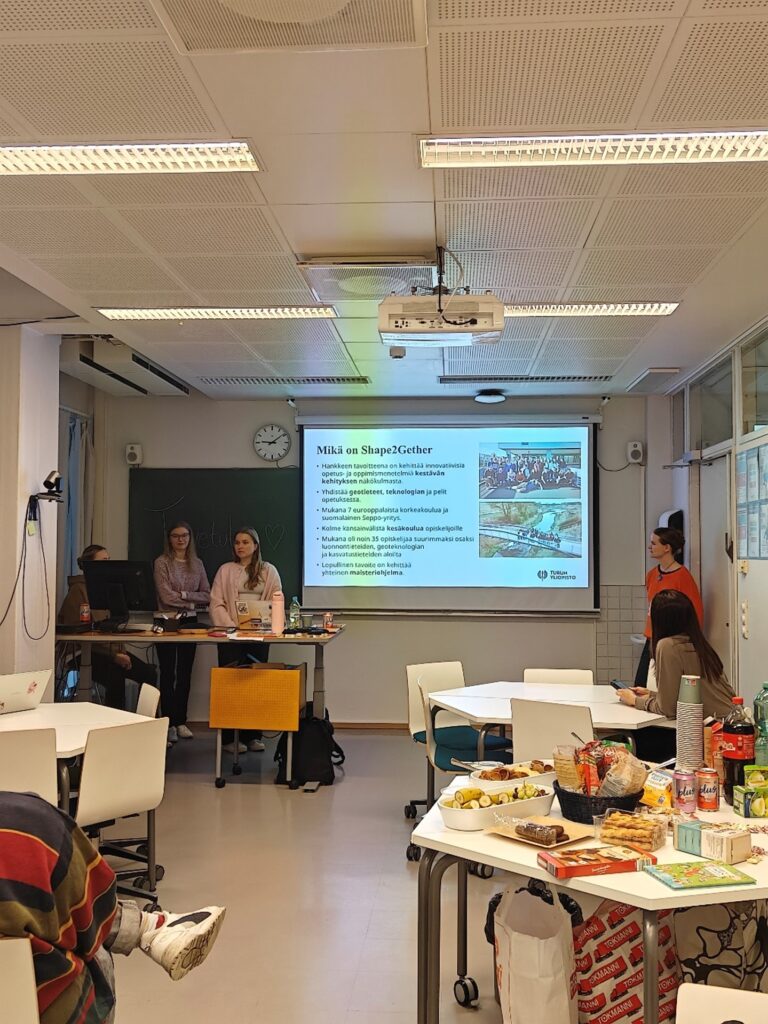
Summer School Learning Curve
The summer schools had their pros and cons, and many of the learning experiences were a puzzle of three pieces, one from each summer school.
- Group work was a big uniting theme among all summer schools. The multidisciplinary approach to group work was a new experience for all the UTU student participants, and they thought that they learned a lot from it.
- As geography students, Ronja, Liisi, Tyyne, and Elmiina all knew that local context usually plays a big role in any situation, but seeing this firsthand during the summer schools was a big learning lesson. Whether it was discussions about sustainability issues, cultural differences, or the environment, the local context brought new insights into the topics and showed the UTU student participants new ways of thinking and applying their knowledge.
- The field work experiences gave practical examples of how to collect data and use different technologies, such as VR, to advance learning and sustainability issues.
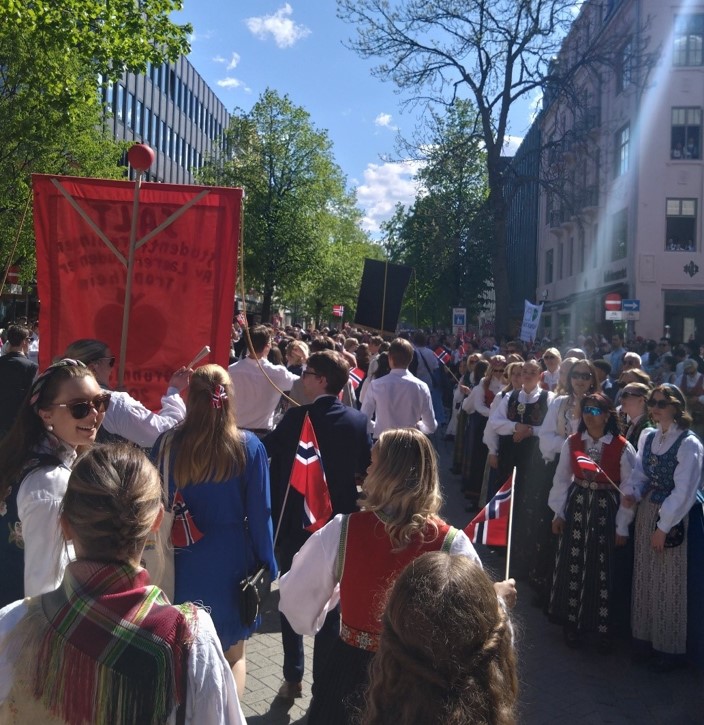
- Social and cultural experiences were ones to remember. Meeting local people, seeing new ways of working, experiencing local celebrations, and exploring different campus environments around Europe were true summer school highlights.
- One learning experience that was not visible in any sense, but all UTU student participants highlighted, was self-confidence and their growth in the ability to adapt to change. Learning to cope with unpleasant conflicts, developing one’s language skills, and gaining confidence in one’s capacity to function as an expert in one’s field were the invisible yet major learning outcomes of the summer schools.
All summer schools differed from one another. Norway highlights included the VR experiences and having most theory, Malta was showcasing local sustainability challenges on the ground, and big group sizes made the group work learning curve steep, and Germany made one realize you don’t always have to come up with a new idea, but you can use existing ideas and modify them to fit your purpose, and that multicultural teams have their pros and cons.
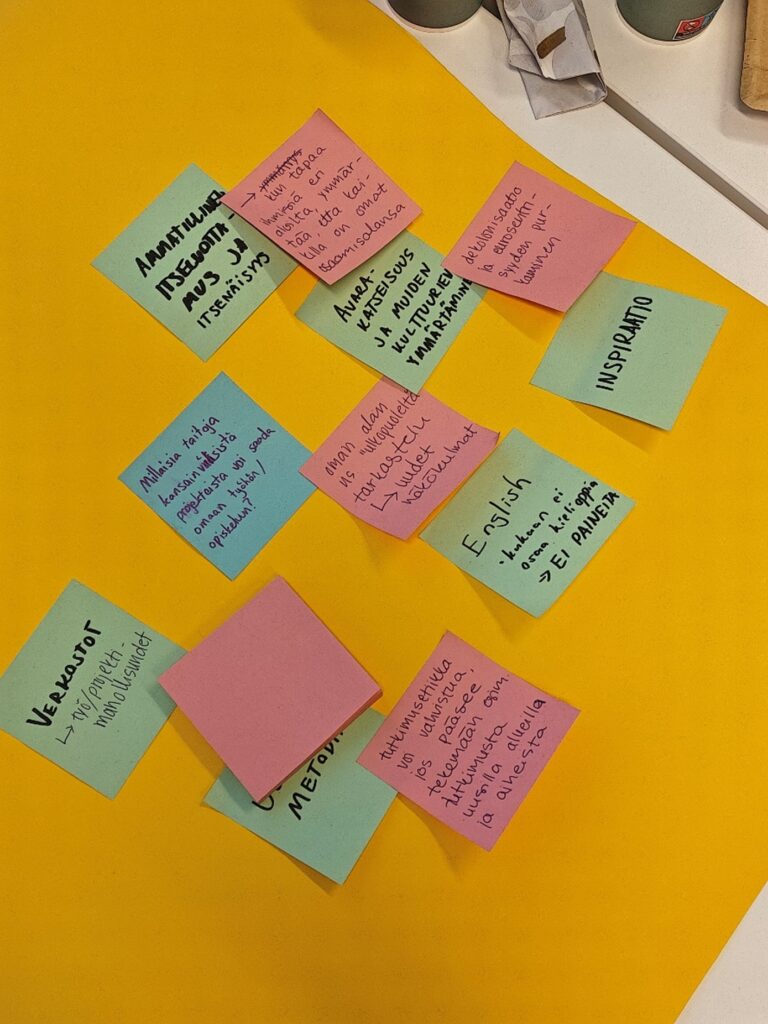
Paper Plane Building
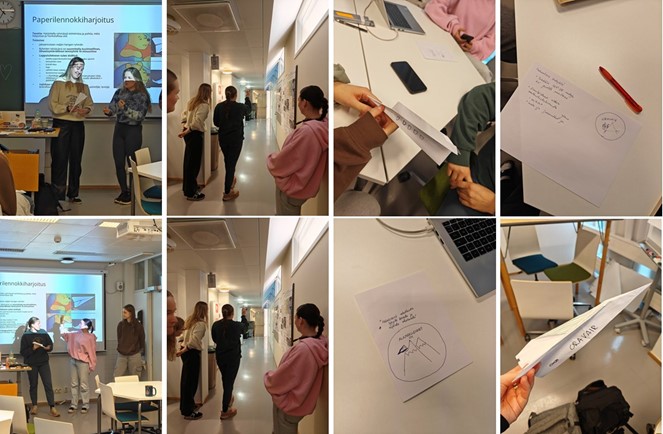
After a snack break, the event participants got to try out the Seppo game that was designed by Ronja’s group (read more about it on the Malta blog post!), after which they did one of the summer school activities – a 10-minute paper plane building exercise designed to showcase group work in practice.
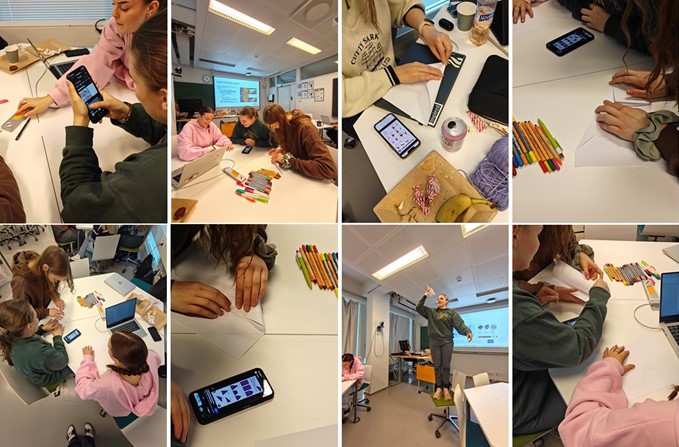
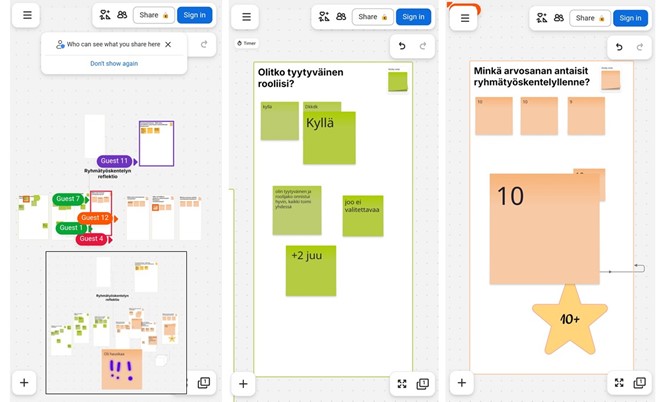
Two groups built their paper planes, came up with a name for their airline company, designed a logo, built a brand identity, and pitched their idea to the audience. The other group’s idea was a motorless airline company, and the other group’s idea was a VR-based airline company. The final pitch was not a determinant of which team won, but we also had a playful competition in the university hallways to see which one of the paper planes would fly furthest. The winning team received a pen package as their prize, and the runner-up received a small first aid kit. Reflections on the exercise were gathered anonymously on a Zoom whiteboard and discussed together with the organizers and the participants.
Audience’s Eureka Moments
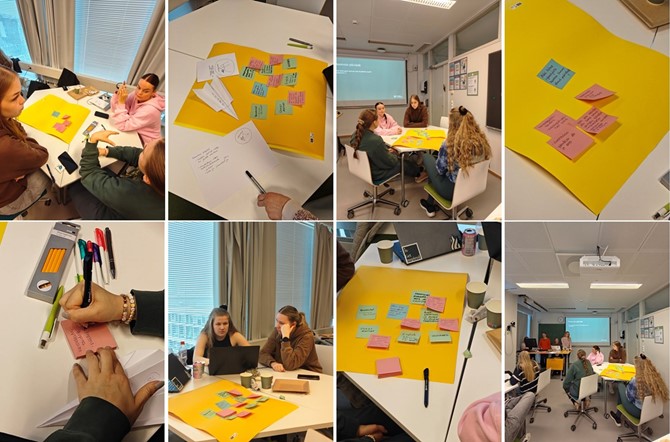
Last but not least, some experiences and Eureka moments from the event were collected on post-it notes and organized into different themes. The post-its and the end discussion clearly showed valuable lessons learned during the internationalization process and the S2G project, both for the UTU student participants and for the event participants. Internationalization was seen as a good thing that would teach you many new things, even if the exposure is “only” for one week. The imposter syndrome might also benefit from these types of programs, as they will help you identify your own know-how and competencies better. These experiences will ultimately build your confidence on many different levels, and going out of your comfort zone is very much needed and desirable for personal and professional growth. International functions in Turku, like tutoring exchange students, could be a great way to explore the internationalization domain and might give one the needed spark of courage to apply for a similar program abroad.
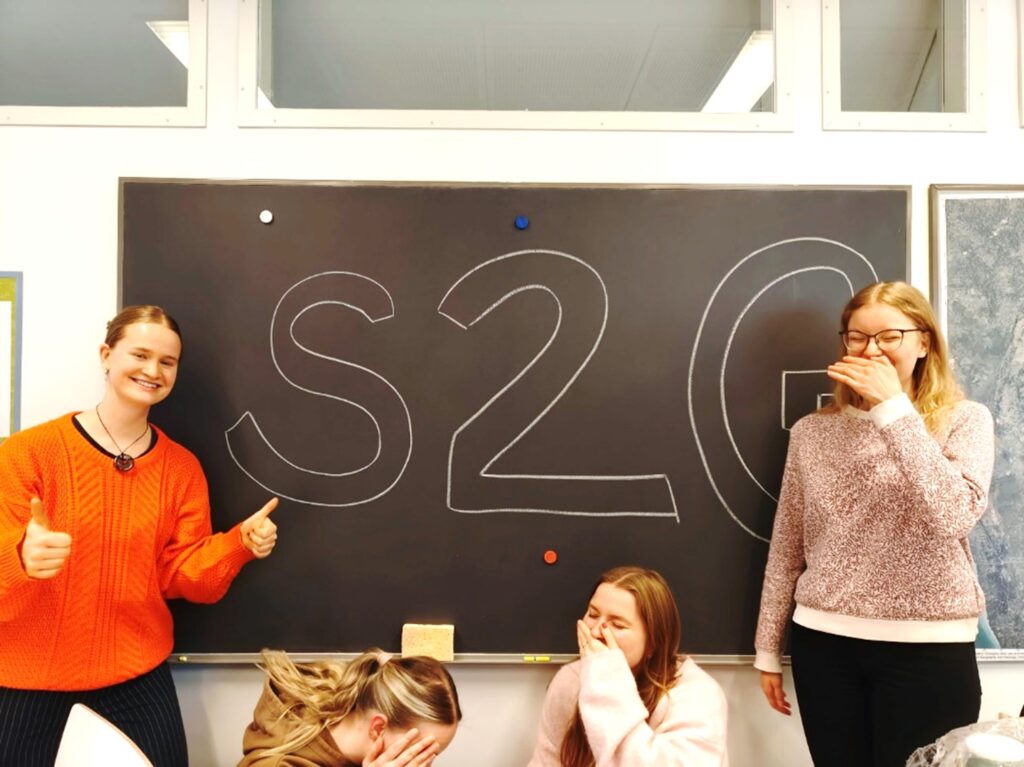
Last but not least, a quote prompted by the UTU student participants and given by ChatGPT was the perfect ending for the enlightening and fun event:
“You don’t have to be ready; it’s enough that you’re curious”.
So, remember to stay curious, everyone!
All Shape2Gether blogs